Those Black Streaks on Your Dallas Roof Aren't Dirt — And Ignoring Them Is Costing You Money
If you've looked up at your roof recently and noticed dark streaks running down the shingles, you might have assumed it was just dirt, pollution, or discoloration from age. It's actually something more alarming — and if left untreated, it will shorten the life of your roof significantly.
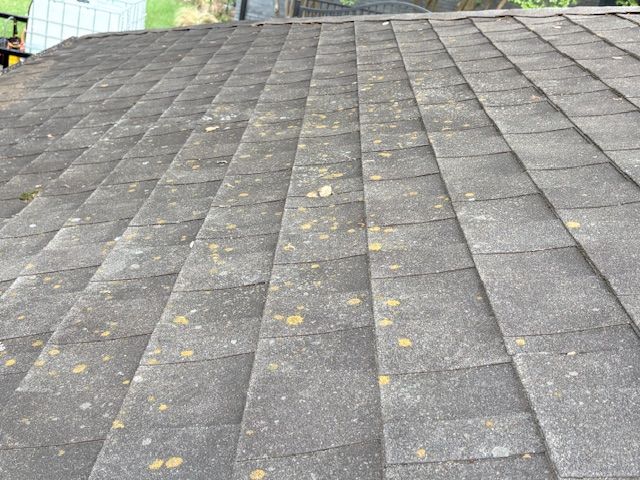
Those black streaks are a cyanobacteria called Gloeocapsa magma. It's a living organism that feeds on the limestone filler in your asphalt shingles, and it thrives in exactly the kind of warm, humid conditions that DFW summers reliably provide. Once it takes hold, it spreads — and every year it goes untreated, it does more damage.
The good news: it can be eliminated safely and completely with professional soft wash roof cleaning. The better news: doing so could extend the life of your roof by years and potentially save you tens of thousands of dollars in premature replacement costs.
What Gloeocapsa Magma Is Actually Doing to Your Roof
This isn't just an aesthetic issue. Here's what the bacteria are actually doing to your shingles while you're ignoring those streaks:
Eating the limestone granules: Asphalt shingles are filled with crushed limestone as a filler material. Gloeocapsa magma feeds on this limestone, degrading the structural integrity of your shingles from the inside out.
Causing granule loss: As the shingles are weakened, the protective granules on the surface — the ones that shield your roof from UV radiation and impact — begin to loosen and wash away. You'll often see these granules collecting in your gutters.
Reducing reflectivity: Dark staining from algae absorbs more heat than clean shingles. This raises your attic temperature, puts additional strain on your HVAC system, and increases your cooling bills — a particularly painful effect during Dallas-Fort Worth summers.
Trapping moisture: The dark biofilm created by algae growth retains moisture against your shingles, accelerating deterioration and creating conditions where moss and lichen can take root. Both moss and lichen cause even more aggressive damage and are much harder to remove once established.
Voiding manufacturer warranties: Many shingle manufacturers — including major brands like GAF and CertainTeed — include provisions in their warranties that require homeowners to address biological growth to maintain coverage. Ignoring algae growth isn't just bad for your roof; it could leave you without warranty protection when you need it most.
Why Pressure Washing Your Roof Is a Very Bad Idea
When homeowners see those dark streaks, a pressure washer is often the first tool they reach for — or the first thing they search for when calling around for help. This is one of the most damaging things you can do to an asphalt shingle roof.
High-pressure water blasting:
- Blasts off the protective granules that give your shingles their durability and UV resistance — the same granules the algae is already weakening
- Breaks the seal strips that bond shingle tabs together against wind uplift, increasing the risk of shingles lifting and blowing off in DFW's storm-prone weather
- Forces water under shingles and potentially into the underlayment and decking below, creating interior moisture damage
- Voids your manufacturer warranty — virtually every major shingle manufacturer explicitly states that high-pressure washing voids their coverage
This is why the roofing industry — including the Asphalt Roofing Manufacturers Association (ARMA) — specifically recommends low-pressure, chemical-based cleaning for algae-stained roofs. That's exactly what soft wash roof cleaning delivers.
How Soft Wash Roof Cleaning Works
Soft washing is the professional standard for roof cleaning, and it's the only method Waymore Property Services uses for residential roofs in the DFW area. Here's how the process works:
- Pre-treatment protection Before we apply any cleaning solutions, we protect your landscaping and any surfaces surrounding your home. This includes pre-wetting plants and covering any sensitive materials.
- Professional-grade biocide application We apply a specialized cleaning solution — the industry-standard active ingredient is sodium hypochlorite, diluted to the appropriate concentration and combined with surfactants and mildewcides — to your entire roof surface. This solution kills the algae, bacteria, and any other biological growth at the cellular level.
- Dwell time The solution is allowed to work. This is where the magic happens — the living organisms are eliminated, not just dislodged.
- Low-pressure rinse Using water pressure no higher than a standard garden hose, we rinse the treated areas clean. The dead algae and residue wash away without any abrasive mechanical action on your shingles.
- Results that last Because the biological growth has been killed rather than merely washed away, soft wash roof cleaning results last significantly longer than pressure washing — typically 2 to 5 years before retreatment is needed, depending on your roof's exposure to shade and moisture.
What About DIY Roof Cleaning?
There are DIY roof cleaning products available at big-box stores, and some homeowners in the DFW area attempt this as a cost-saving measure. We want to give you a realistic picture of the risks:
Roof work is genuinely dangerous. Falls from rooftops are among the leading causes of serious injury for homeowners. Add cleaning solutions and wet surfaces to the equation, and the risk increases considerably.
Results: Consumer-grade cleaning products are generally much weaker than professional formulations and may require multiple applications to achieve the same result — if they work at all on heavier infestations.
Proper dilution: Over-diluting means the product won't work. Under-diluting or misapplying can damage your shingles and kill your landscaping.
Equipment: Achieving a proper low-pressure application across an entire roof requires specialized equipment that most homeowners don't own.
For most homeowners, the math strongly favors hiring a professional with the right training, equipment, and insurance.
How to Know If Your DFW Roof Needs Cleaning
Not sure whether your roof needs attention? Here's what to look for:
- Dark streaks or staining running down the face of your shingles (typically most visible on north and west-facing slopes)
- Green or black patches of moss or lichen, usually along the lower sections of your roof or in shaded areas
- Granules in your gutters — a sign that shingle degradation is underway
- Your roof is more than 3–5 years old and has never been professionally cleaned
- Your energy bills have crept up in summer despite no change in usage habits
If you're checking two or more of these boxes, it's time to schedule a professional soft wash roof cleaning before the damage progresses further.
The Cost of Soft Wash Roof Cleaning vs. Roof Replacement
Professional soft wash roof cleaning typically costs a fraction of what roof repair or replacement runs. In the DFW market, a full roof replacement on a standard single-family home runs anywhere from $8,000 to $20,000 or more, depending on size, pitch, and materials.
A professional soft wash roof cleaning from Waymore Property Services is a small investment by comparison — and one that can meaningfully extend the life of your existing roof.
Trusted Roof Cleaning Across the DFW Metroplex
Waymore Property Services provides professional soft wash roof cleaning for homeowners in Dallas, Fort Worth, Plano, Frisco, McKinney, Allen, Garland, Irving, Arlington, Grapevine, Southlake, Rockwall, and the surrounding DFW area.
Every roof wash we complete is performed by trained, insured technicians using professional-grade equipment and cleaning solutions. We stand behind our work and are committed to delivering results that protect your home's most important line of defense.
Ready to eliminate those black streaks and protect your roof? Contact Waymore Property Services today for a free, no-obligation quote. We'll assess your roof's condition and recommend the right treatment plan to restore and protect your investment.
Recent Posts