What to Look for When Hiring a Commercial Pressure Washer
Get a cleaner, better-looking property today
The Direct Answer
When hiring a commercial pressure washing company, the seven most important factors to evaluate are: proof of insurance and licensing, commercial-grade equipment, experience with your specific surface type, verifiable reviews and references, transparent pricing, knowledge of local regulations, and a clear scope of work in writing. Hiring based on price alone is the most common mistake property managers make — and often the most expensive one.
1. Proof of Insurance — Non-Negotiable
Any legitimate commercial exterior cleaning company should carry general liability insurance and workers' compensation coverage. Ask for a certificate of insurance before work begins. If a company hesitates or cannot provide one, walk away — an uninsured contractor working on your commercial property creates direct liability exposure for you as the property owner or manager.
2. Commercial-Grade Equipment
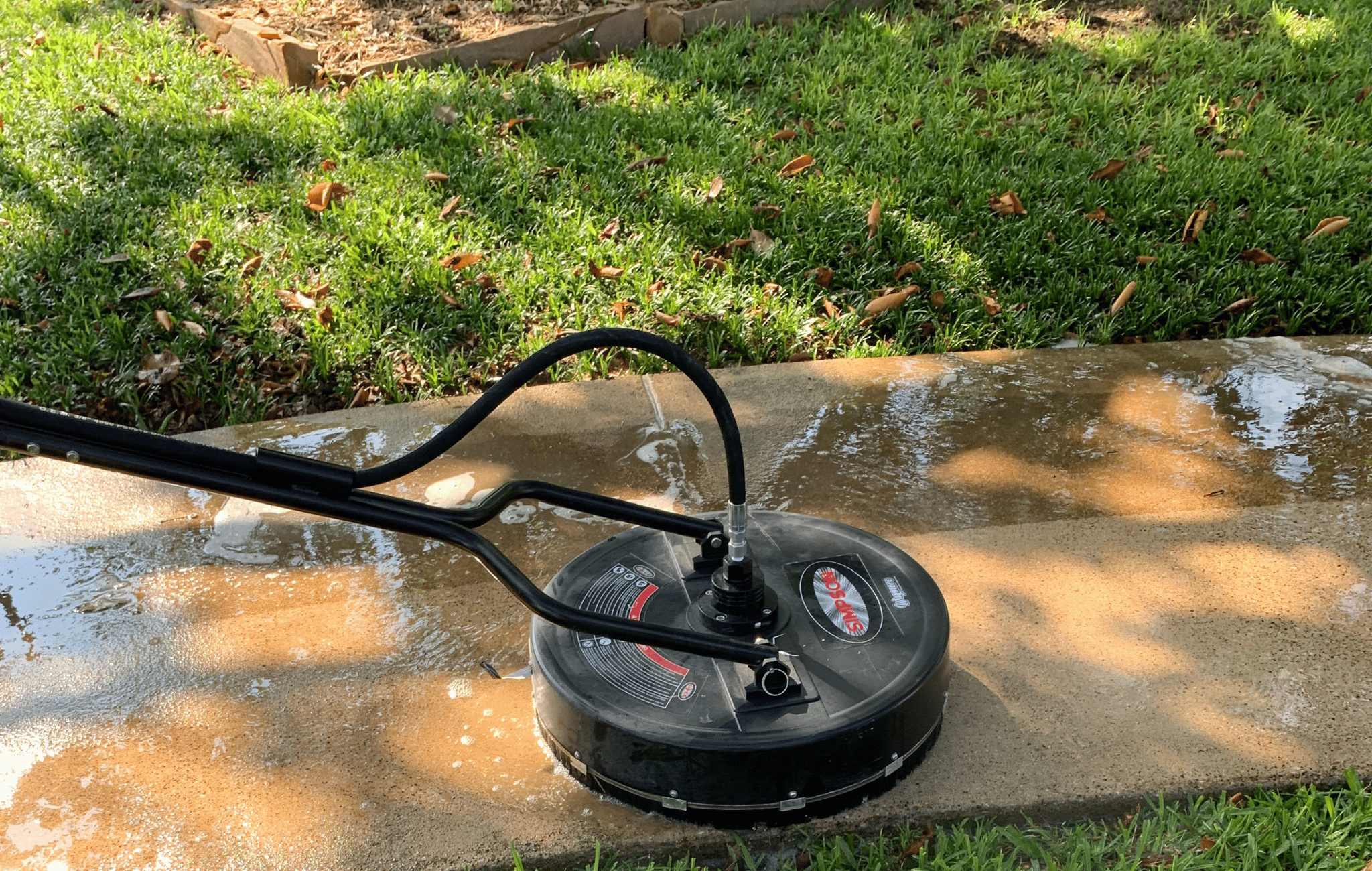
Consumer-grade pressure washers are not built for commercial work. A professional company should operate trailer-mounted or truck-mounted systems capable of handling large surface areas efficiently, with the appropriate PSI and GPM settings for different surfaces. Ask about their equipment and whether they use hot water systems for grease removal (essential for restaurant facilities, loading docks, and drive-throughs).
3. Surface-Specific Experience
Concrete, brick, painted metal, EIFS, and pavers each require different pressure settings and cleaning agents. A company experienced only in residential driveways may not have the knowledge to safely clean your building's facade or parking structure without causing damage. Ask for examples of similar commercial projects they've completed.
4. Verifiable Reviews and References
Google Business reviews, Better Business Bureau ratings, and direct references from other commercial property managers in DFW are all meaningful signals. Look for patterns in the feedback: Are jobs completed on schedule? Is communication reliable? Is the crew professional and respectful of the property?
5. Transparent, Itemized Pricing
A reputable company will provide a written estimate that specifies the surfaces to be cleaned, the methods to be used, and the price per service. Vague quotes open the door to scope creep and disputes. Request line-item pricing, particularly for large or multi-phase commercial properties.
6. Compliance with Local Regulations
In Dallas and surrounding municipalities, wastewater runoff from pressure washing must be contained and disposed of properly — it cannot be allowed to flow freely into storm drains. Ask your contractor how they handle wastewater. A compliant company will have containment berms, vacuum recovery equipment, or approved disposal procedures.
7. A Written Scope of Work
Before any commercial project begins, you should have a written agreement that specifies the areas to be cleaned, the methods to be used, the crew size, the timeline, and what happens if damage occurs. This protects both parties and sets clear expectations.
Waymore Property Services — Commercial Pressure Washing in DFW
Waymore Property Services is fully insured, equipped with commercial-grade systems, and experienced across a wide range of commercial surface types throughout the Dallas–Fort Worth area. We provide detailed written estimates and work around your operating hours to minimize disruption. Call 469-290-7555 or request a free commercial estimate online.
Frequently Asked Questions
Q: Do commercial pressure washing companies need to be insured?
A: Yes. A legitimate commercial pressure washing contractor must carry general liability insurance and workers' compensation. Always request a certificate of insurance before work begins — an uninsured contractor creates direct liability exposure for the property owner.
Q: What questions should I ask before hiring a commercial pressure washer?
A: Ask for proof of insurance, inquire about their equipment (commercial-grade vs. consumer), request references from similar commercial projects, confirm they comply with local wastewater regulations, and get a written scope of work and itemized estimate before signing anything.
